
Credit Union Versus Online Auto Refinance

Credit Union Versus Online Auto Refinance

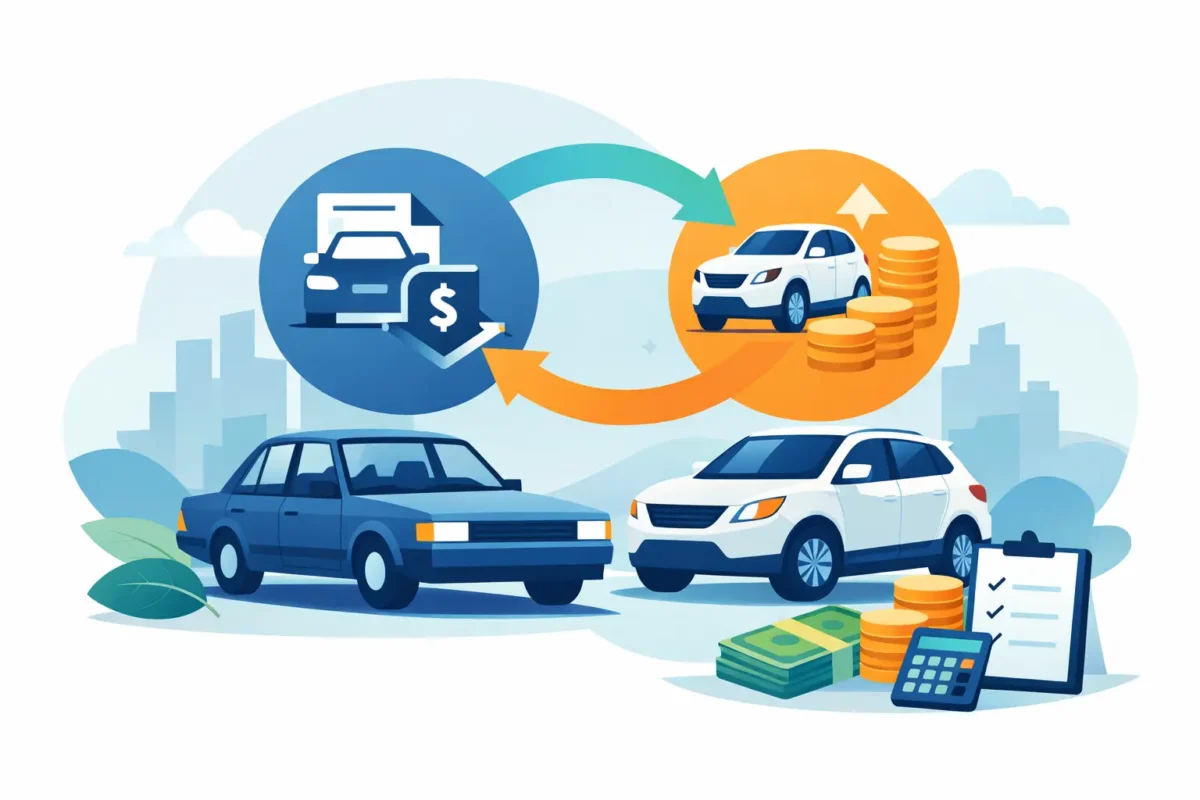
If your current car payment feels higher than it should, the real question is not whether to refinance. It is often credit union versus online auto refinance, and the right choice depends on how fast you need results, how much support you want, and what kind of process fits your life.

For many drivers, refinancing is about one thing first – lowering monthly pressure. A better rate, a longer term, or both can free up room in your budget. But the path you choose matters. A local credit union and an online auto refinance lender can both help, yet the experience can look very different from start to finish.

Credit union versus online auto refinance: what changes?

At a high level, both options aim to replace your current auto loan with a new one that has better terms. The difference is usually in how you apply, how quickly you get a decision, and how much friction you run into along the way.

A credit union often appeals to borrowers who like face-to-face service or already have a checking or savings account there. Some credit unions offer competitive rates and a familiar experience. If you value local relationships, that can be a real advantage.

An online auto refinance lender usually focuses on speed and convenience. You can often check your options from home, submit your information in minutes, and move forward without scheduling a branch visit. For busy households, that simplicity matters just as much as the rate.

When a credit union makes sense

A credit union can be a strong fit if you already have an established relationship and want to keep all your financial services in one place. Some borrowers also feel more comfortable sitting down with someone in person, asking questions, and reviewing terms across the desk.

Rates may be attractive, especially if the credit union is trying to serve existing members with lower-cost lending. If your credit profile is strong and the institution has flexible underwriting for its members, you may get a competitive offer.

That said, credit unions are not always the easiest route. Membership rules can slow things down if you are not already enrolled. Some require extra paperwork, proof of eligibility, or in-branch steps. Hours may be limited, and processing time may be slower than what many online borrowers expect.

In other words, the value is often personal service and local familiarity, but the trade-off can be time.

When online auto refinance stands out

Online auto refinance is built for borrowers who want to move quickly. If you are juggling work, family, and rising monthly bills, the ability to apply from your phone or laptop is more than a convenience. It can be the reason you actually take action.

Most online refinance platforms are designed to reduce friction. The application is typically straightforward, document collection can be digital, and credit decisions may come faster than with a traditional branch-based lender. For a borrower trying to lower payments soon, that speed can make a meaningful difference.

There is also a broader practical advantage. Online lenders often serve customers across the country, so the process is not limited by local branch access. You are not waiting for a weekend opening or fitting paperwork into a lunch break. You can start when it works for you.

The trade-off is that some borrowers miss the in-person element. If you are someone who prefers sitting with a banker and talking through every line, digital-first lending may feel less familiar. Still, many online refinance companies now combine technology with live support, which gives borrowers a faster process without leaving them on their own.

Rates are important, but they are not the whole story

It is easy to assume the decision comes down to who has the lower interest rate. That matters, of course, but it is only part of the refinance picture.

A lower monthly payment can come from a better rate, a longer term, or both. The best option for you depends on your goal. If you want immediate budget relief, extending your term may help even if the rate improvement is modest. If your priority is paying less overall interest, a stronger rate with a shorter payoff timeline may be better.

Fees, loan minimums, vehicle restrictions, and credit requirements can also affect the final result. Some lenders are more selective about model year, mileage, loan balance, or employment history. Others may be more flexible. That is why comparing offers needs to go beyond the headline APR.

A refinance that looks great in an ad may not be the best fit once eligibility rules and timing come into play.

Credit union versus online auto refinance for convenience

Convenience is where the gap often gets widest. A credit union may ask for branch visits, mailed documents, or manual follow-up. For some people, that is perfectly fine. For others, it is enough to delay the process for weeks.

Online auto refinance tends to remove those slow points. You can usually begin the application quickly, upload documents electronically, and track progress without making multiple calls. That does not just save time. It also lowers the mental effort of getting the refinance done.

If you have been putting off refinancing because it sounds like a hassle, the format of the lender may matter as much as the offer itself. A process that is simple and fast is more likely to turn into real savings.

Support matters more than many borrowers expect

People often think online means less help. Sometimes that is true, but not always. The best online refinance experiences pair a digital application with real human support when questions come up.

That can be especially helpful if you are comparing loan terms, trying to understand title transfer timing, or deciding whether a lower payment or a shorter term makes more sense. Good refinance support should make the process easier, not harder.

A credit union may offer strong personal service, especially if you know the branch team. But service quality varies widely by location, staffing, and workload. Online lenders vary too. The better question is not whether the support is local or digital. It is whether it is responsive, clear, and focused on helping you move forward with confidence.

Which option is better for borrowers focused on savings?

If your top goal is lowering your payment with the least disruption, online auto refinance often has the edge. It is built for efficiency, and that matters when savings are time-sensitive. The sooner you lock in a better loan, the sooner you may start keeping more of your money each month.

If you already trust your credit union, have the time to work through its process, and receive a strong offer, that route can absolutely make sense. For some borrowers, the comfort of staying with a familiar institution is worth a slower experience.

But if convenience, fast decisions, and a low-friction application are high on your list, online refinance is hard to ignore. That is one reason companies like OpenRoad Lending focus on making the process quick, approachable, and centered on real monthly savings.

How to choose without overthinking it

Start with your priorities. If you want in-person service and you already belong to a credit union, get a quote there. If you want speed, flexibility, and a simpler process, check an online auto refinance option.

Then compare the actual offer, not just the promise. Look at the monthly payment, APR, loan term, and any conditions tied to approval. Make sure the lender works with your vehicle and loan balance. Pay attention to how easy the process feels, because a refinance that is difficult to finish is not helping you save.

Most of all, do not wait for a perfect moment. If your current loan is stretching your budget, the better question is how soon you can improve it. The best refinance path is the one that gets you to a lower payment, better terms, and more breathing room without adding unnecessary stress.

A good lender should make that next step feel clear. When refinancing is simple, fast, and focused on your savings, it becomes much easier to turn a frustrating car payment into something that fits your life better.

Read more
8 Top Signs Your Car Loan Is Overpriced

8 Top Signs Your Car Loan Is Overpriced

That monthly car payment can look normal right up until you compare it with what other drivers are paying. One of the top signs your car loan is overpriced is simple: the numbers no longer make sense for your budget, your credit, or your vehicle.

An overpriced car loan does not always mean you made a bad decision. Sometimes rates were high when you bought. Sometimes the dealer structured the loan to hit a payment target instead of a better total cost. And sometimes extra products or fees got folded into the financing without a clear picture of how much they would add over time. The good news is that a costly loan is often fixable.

Top signs your car loan is overpriced

The clearest warning sign is that your interest rate seems high compared with where your credit stands today. If your credit score has improved since you took out the loan, or if market rates have dropped, your current APR may be costing you more than necessary. Even a few percentage points can add up to hundreds or thousands of dollars over the life of the loan.

Another common sign is that your monthly payment feels heavy even though your vehicle is modestly priced. A manageable car payment should still leave room for the rest of your life – rent or mortgage, groceries, insurance, and savings. If your payment keeps squeezing your budget month after month, that is worth a closer look. In some cases, the issue is not the car itself. It is the loan structure.

Loan length matters here. If you are paying on a 72-, 78-, or even 84-month term, the payment may look lower on paper, but the total amount you repay can be much higher. Long terms are not automatically wrong. They can help in certain situations. But if the rate is high and the term is long, you may be paying a premium for convenience.

You do not know your total loan cost

If you can name your monthly payment but not your APR, total finance charges, or payoff amount, that is a red flag. Overpriced loans often hide behind affordable-looking monthly numbers. Dealers and lenders know most shoppers focus on payment first.

The better question is this: how much will this loan cost from start to finish? If that number surprises you, your financing may be working against you. A loan can seem reasonable at $425 a month, then turn out to cost several thousand more than expected once interest and fees are added up.

This is especially true if you rolled other balances into the loan, such as negative equity from a previous vehicle. That can happen when you owe more on your trade-in than it is worth. The new loan absorbs that gap, and suddenly you are financing more than the current car alone.

Your APR is much higher than average for your profile

A high APR is one of the top signs your car loan is overpriced, but high compared with what? It depends on your credit history, income, loan amount, vehicle age, and when you financed. A borrower with challenged credit will usually see a higher rate than someone with excellent credit. That part is normal.

What is not normal is staying stuck with an old rate after your financial picture improves. If you have made on-time payments, reduced debt, or increased your income, you may qualify for better terms than you had when you first signed. Many drivers never revisit their auto loan after purchase, even when their credit profile is stronger.

You do not need perfection for refinancing to make sense. You just need a realistic chance to improve the rate, payment, term, or all three.

Too much of your payment goes to interest

Early in a loan, a bigger share of each payment usually goes toward interest. That is standard amortization. But if you have been paying for a while and your balance still barely moves, your loan may be too expensive.

Check a recent statement and look at how much of your payment is reducing principal. If the balance feels stubbornly high after years of payments, you may be carrying a rate or term that is draining value out of every month. This can be frustrating when you want to build equity in the vehicle or trade it in later.

A slow-moving balance also makes it easier to become upside down on the loan, especially if the car depreciates faster than expected.

You financed extras you did not fully understand

Many auto loans include more than the car price. Taxes, title fees, service contracts, GAP coverage, maintenance plans, credit insurance, and dealer add-ons can all be bundled into the financing. Some products can be useful. The problem is not that extras exist. The problem is paying for them without clearly understanding the cost or whether they fit your needs.

When these items are financed, you pay interest on them too. That means a $1,500 add-on does not cost $1,500 in the end. It costs more over time. If you review your paperwork and realize the amount financed is much higher than the vehicle price plus standard fees, it is worth digging deeper.

This is also where trade-offs matter. Some protection products provide real peace of mind. But they should be intentional purchases, not expensive surprises buried in the contract.

Your loan balance is far above the car’s value

If you owe much more than your car is worth, your loan may be overpriced or overloaded. Sometimes that gap comes from depreciation alone. New vehicles tend to lose value quickly in the first few years. But a large mismatch can also point to a high rate, a long term, rolled-in negative equity, or too many financed extras.

Being upside down limits your options. It can make selling or trading the vehicle harder, and it can leave you exposed if the car is totaled and you do not have enough coverage to bridge the gap.

A high balance relative to value does not always mean refinancing will solve everything immediately. If the loan-to-value ratio is too high, eligibility may be limited. Still, understanding the gap is an important step toward making a smarter next move.

You feel pressured to keep the loan because changing it sounds complicated

An overpriced loan often stays in place for one reason: people assume fixing it will be a hassle. Paperwork, credit checks, uncertainty, and time all feel like barriers when life is already busy.

But convenience should not keep you trapped in costly terms. If refinancing can lower your payment or reduce your rate, a short application can be worth it. The right process should be straightforward, transparent, and fast enough to fit into a normal day. That is exactly why many drivers look at lenders like OpenRoad Lending when they want to see if a better offer is available without adding more stress.

What to do if these signs sound familiar

Start with your current loan statement. Look at your APR, remaining balance, monthly payment, and months left on the term. Then compare that with your current credit standing and what kind of payment would actually help your budget breathe.

Next, review your original contract if you have it. Check whether extra products were financed and whether your amount financed was higher than the vehicle price you expected. If you traded in another car, confirm whether negative equity was rolled into the new loan.

Then ask a practical question, not just a financial one: would a lower rate, lower payment, shorter term, or different mix of those outcomes improve your life right now? For some borrowers, the biggest win is monthly cash flow. For others, it is paying less interest overall. It depends on your priorities.

If the numbers point to overpaying, refinancing may be the cleanest path forward. A better loan can reduce monthly pressure, help align your payment with your current budget, and put you back in control of the total cost of your vehicle.

A car loan should support your life, not drag on it every month. If your payment feels too high, your rate looks outdated, or your total loan cost keeps raising questions, trust that instinct and take a closer look. A few minutes spent reviewing your loan today could lead to meaningful savings for months or years ahead.

Read more
Refinance Car Loan to Skip Payment?

Refinance Car Loan to Skip Payment?

That next car payment can feel a lot bigger when rent, groceries, and insurance all hit at once. If you are looking to refinance car loan to skip payment, the good news is that refinancing can sometimes create short-term breathing room – but it does not work the same way for every lender, and it is not a free pass on what you owe.

The real question is not just whether you can delay one payment. It is whether refinancing helps you lower pressure now without making your loan more expensive later. That is where the details matter.

Can you refinance car loan to skip payment?

Sometimes, yes. But usually what people call a skipped payment is really a payment deferral created by timing.

When you refinance your current auto loan, your old lender is paid off with the new loan. Then your new lender sets a first payment due date based on the refinance closing date and its own billing cycle. In some cases, that means you may not have a payment due for a few weeks, or even until the following month. For someone trying to get through a tight stretch, that gap can be helpful.

What it does not mean is that one monthly payment simply disappears. Interest may continue to accrue, and the amount you would have paid this month is usually built into the new loan balance, the new term, or both.

So yes, refinancing may help you avoid making your current scheduled payment to your old lender. But no, it does not erase your obligation to repay the vehicle loan.

How the timing usually works

The timing is the part borrowers care about most, because it affects whether refinancing actually delivers immediate relief.

If you apply and get approved before your next due date, the refinance lender may be able to pay off your current loan before that payment comes due. Your original lender closes out the old loan, and your first payment on the new loan comes later based on the new contract terms.

If your current payment is due very soon, things get more complicated. You may still need to make that payment to avoid late fees or credit damage if the refinance has not funded in time. Even if you are approved, approval is not the same as payoff. Documents have to be signed, the old lender has to receive funds, and account processing has to happen.

That is why borrowers who want to refinance car loan to skip payment should start early, not at the last minute. A fast online process helps, but timing still matters.

What refinancing can do beyond one delayed payment

Focusing only on skipping a payment can cause you to miss the bigger benefit. Refinancing can improve your monthly budget in a more durable way.

If you qualify for a lower interest rate, a longer loan term, or both, your monthly payment may drop. That means the relief continues month after month instead of ending after a single billing cycle. For many drivers, that matters more than pushing one payment down the road.

A lower payment can help when your income has changed, your expenses have gone up, or your original loan was expensive to begin with. If your credit has improved since you bought the car, or rates available to you are better now than when you first financed, refinancing may give you a more manageable deal.

This is where a streamlined lender can make a difference. OpenRoad Lending, for example, is built around helping qualified borrowers look for lower payments and better terms without making the process feel like a second job.

When refinancing to skip a payment makes sense

There are situations where using a refinance to create a payment break is a practical move.

If you are dealing with a temporary cash flow crunch, need to line up bills around a paycheck cycle, or want to avoid falling behind on a high payment, refinancing can help you reset the timing. It can also make sense if your current loan has a high rate and you are trying to solve both a short-term and long-term problem at once.

It may be especially useful if your current payment is squeezing your budget every month. In that case, the real win is not just the delayed due date. It is the chance to move into a loan that better fits your finances.

Still, it depends on what terms you are offered. If the new loan stretches your term too far or adds too much total interest, the short-term relief may come at a higher long-term cost.

When it may not be the best move

Refinancing is not always the right answer just because your next payment is close.

If your current loan is almost paid off, refinancing may extend the debt longer than you want. If your vehicle is too old, has very high mileage, or is worth less than what you owe by a wide margin, your options may be limited. And if the main goal is simply to buy a few weeks of time, it is worth comparing refinancing with other forms of hardship assistance.

Some lenders may offer direct payment extensions or deferments on your existing loan. Those programs can help in the short run, though they also may add interest or move missed payments to the end of the loan. The best option depends on whether you need one-time relief or a lasting payment reduction.

What to check before you apply

Before you move forward, look at your current loan details. Check your payoff amount, interest rate, monthly payment, remaining term, and next due date. Those numbers tell you whether refinancing is likely to help.

You should also think about your goals. Do you need immediate breathing room, a lower monthly payment, a better rate, or all three? A refinance quote is easier to evaluate when you know what success looks like for your budget.

It also helps to be realistic about trade-offs. Lower monthly payments can come from lower rates, longer terms, or both. A lower rate is usually the stronger result because it can reduce the cost of borrowing. A longer term may still help cash flow, but it can mean paying for the car over more months.

How to compare a refinance offer

The best refinance offer is not always the one with the lowest payment shown on the screen. Look at the full picture.

Start with the new monthly payment and first payment due date, since those affect your immediate budget. Then review the interest rate, loan term, and total finance cost over time. Ask whether there are any fees involved and whether optional protection products are being offered so you understand what is included and what is not.

A good refinance should feel simpler, not more confusing. If the lender can explain your options clearly and show you what changes from your current loan, that is a strong sign you are looking at a borrower-friendly process.

A common mistake to avoid

One of the biggest mistakes is assuming your current payment is automatically off the table once you submit an application. It is not.

Until the refinance is complete and your old lender is paid in full, you are still responsible for your existing loan. Missing a payment because you assumed the new loan would close in time can lead to late fees, credit damage, and extra stress.

If your due date is close, ask direct questions. When is funding expected? When will the old loan be paid off? When is your first payment due on the new loan? Clear answers matter.

Refinance car loan to skip payment – the smarter way to think about it

If you want to refinance car loan to skip payment, think of it less as skipping and more as restructuring. The strongest outcome is not a temporary pause by itself. It is a better loan that gives you room to breathe now and makes your monthly budget easier to manage going forward.

That means timing your application carefully, reviewing your current loan honestly, and comparing offers based on more than one number. Fast relief is valuable, but long-term savings are what make refinancing truly worthwhile.

If your current auto loan feels too expensive, too rigid, or simply out of step with your budget, refinancing may be one of the fastest ways to regain control. A payment break can help for a moment. A better loan can help a lot longer.

Read more
How to Compare Refinance Offers Smartly

How to Compare Refinance Offers Smartly

One refinance quote says you can lower your payment by $98 a month. Another shows a better rate, but the payment barely changes. A third looks decent until you notice the loan stretches out much longer. If you are wondering how to compare refinance offers without getting lost in the fine print, the key is simple: look at the full cost, not just the headline number.

For most drivers, the goal of refinancing is practical. You want breathing room in your budget, a better rate, or a loan term that fits your life better. The best offer is not always the one with the lowest monthly payment, and it is not always the one with the lowest APR either. It depends on what you need now and what you want to pay over time.

Start with the outcome you actually want

Before you compare lenders, get clear on your priority. Some borrowers want the lowest possible monthly payment because cash flow is tight. Others want to reduce total interest and pay the car off faster. Some are trying to do both, but usually there is a trade-off.

If a lender lowers your payment by extending your loan term, that can help right away. It can also mean paying more interest over the life of the loan. On the other hand, a shorter term may save money overall but keep the payment higher than you hoped. Knowing which result matters most will make every offer easier to judge.

How to compare refinance offers without missing the details

A refinance offer should be reviewed as a package. Rate matters, but it is only one part of the picture. You also need to compare the loan term, the monthly payment, any fees, and whether the lender is making assumptions that could change before closing.

Start by lining up each quote side by side. Look at the APR, not just the interest rate. APR gives you a broader view of borrowing cost because it may reflect certain fees. Then check the new monthly payment and the number of months in the loan. A lower payment can look great at first glance, but if the new term adds a year or two, the long-term cost may be higher.

You should also ask whether the quote is prequalified, conditional, or final. Some offers are based on limited information and can change after the lender reviews your documents, vehicle details, and credit profile more closely. A quote is useful, but a firm approval carries more weight.

Compare the monthly payment and the total cost

This is where many borrowers get tripped up. Monthly payment is the number you will feel first, so it deserves attention. But it should never be the only number you compare.

Let us say Offer A lowers your payment from $540 to $455. Offer B lowers it to $480. Offer A sounds better, but if it adds 18 more months to your loan, you may pay much more in total interest. Offer B may save less each month but cost less overall.

There is no universal right answer here. If your budget is stretched and you need immediate relief, the lower payment may be the smart move. If you can handle a slightly higher payment and want to get out of debt sooner, the lower total loan cost may matter more.

Watch the loan term closely

The loan term changes everything. Two refinance offers can have similar rates and very different outcomes because one is 48 months and the other is 72 months.

A longer term usually means a lower monthly payment. That can be a real benefit when money is tight. But a longer repayment period often increases the amount of interest you pay over time. It also means you may be making payments on a vehicle much later into its life.

A shorter term usually works the opposite way. The payment may stay the same or even rise slightly, but the loan can cost less in the long run. If your goal is to save the most money overall, pay close attention to this part of the offer.

Fees can change the real value of the deal

Some auto refinance loans come with little to no upfront cost. Others may include title transfer charges, state filing costs, or lender fees depending on the situation. These costs are not always deal-breakers, but they do affect your true savings.

When you compare refinance offers, ask a direct question: what will I pay to complete this refinance, and is that cost due upfront or rolled into the loan? A loan with a slightly higher rate but lower fees can sometimes be the better value. A loan with a strong payment reduction may be less attractive if costs eat up your savings for months.

Also ask whether there is any prepayment penalty on your current loan. Many auto loans do not have one, but some do. If your current lender charges a penalty for paying off the loan early, that should be factored into your decision.

Make sure you are comparing the same assumptions

Quotes are only comparable if the assumptions behind them are similar. One lender may be quoting a 60-month term while another is quoting 72 months. One may include optional products in the payment, while another may not. One may be estimating taxes and fees differently.

This is why a side-by-side review matters. You want to compare the same vehicle, the same payoff amount, and similar loan lengths when possible. Otherwise, one offer may appear better simply because the structure is different.

If something looks unusually strong, ask why. Sometimes there is a good reason. Sometimes the quote is incomplete.

Customer experience matters more than people think

A refinance offer is not just a set of numbers. It is also a process. If the lender is hard to reach, unclear about next steps, or slow to move, that matters. A low rate does not feel like much of a win if the process drags on or leaves you guessing.

Look for signs of transparency and support. Does the lender explain the terms clearly? Is the application straightforward? Can you get help from a refinance specialist if you have questions? Does the company have a strong track record and credible customer feedback?

For many borrowers, speed and simplicity are part of the value. A lender that makes it easy to apply, get a fast decision, and understand your options can save more than money. It can save time and stress too.

When a lower payment is worth it, even if total interest rises

There are times when the best refinance offer is the one that gives you room in your budget right now. If your expenses have increased, your income has changed, or you just need more flexibility each month, a lower payment can make a meaningful difference.

That does not mean ignoring the long-term cost. It means making a decision that fits your current reality. If refinancing frees up cash for essentials, helps you avoid missed payments, or gives you a little breathing room, that benefit is real.

This is where a practical lender can make the process easier. Companies such as OpenRoad Lending focus on straightforward online refinancing and quick quote options, which can help borrowers compare savings without adding more hassle to an already busy schedule.

Red flags to take seriously

If an offer seems confusing, ask for clarification before moving forward. Be cautious if the lender does not clearly show the APR, term, monthly payment, and fees. Be careful with any quote that pressures you to act before you understand the numbers.

You should also question offers that promise savings without showing how they were calculated. Real refinance value should be easy to explain. If the lender cannot show where the savings come from, keep looking.

A simple way to make your decision

After you gather your offers, narrow them down with three questions. First, how much will this lower my monthly payment? Second, how much will I pay over the life of the loan? Third, how easy and trustworthy does this lender feel to work with?

That framework keeps you focused on what matters most. It balances immediate relief with long-term cost and gives proper weight to the experience of getting the loan done.

The best refinance offer is the one that works for your finances, not the one with the flashiest number on top. A little extra time spent comparing the details can turn a decent quote into a genuinely better loan – and that can put real money back in your budget month after month.

If you are reviewing offers right now, trust the numbers, but also trust your goals. The right refinance should feel clearer, lighter, and easier to live with.

Read more
Complete Auto Refinance Guide

Complete Auto Refinance Guide

Your car payment might be one of the biggest monthly bills you carry – and one of the easiest to improve. This complete auto refinance guide is built for drivers who want a lower payment, a better rate, or more breathing room in the budget without replacing their vehicle.

Refinancing an auto loan is straightforward in concept. You replace your current car loan with a new one, ideally with terms that work better for you now than the ones you accepted before. That could mean a lower interest rate, a lower monthly payment, a shorter loan term, or some combination of the three. The best part is that you do not have to start from scratch with buying a car all over again.

What a complete auto refinance guide should help you answer

Most people are not asking whether refinancing is theoretically smart. They want to know one thing – will it save me money or make my payment easier to manage?

That depends on a few real-world factors. Your credit may have improved since you first financed the vehicle. Interest rates available to you may be better than your current rate. You may also want to stretch the loan term to bring the monthly payment down, especially if your budget feels tighter now than it did when you bought the car.

There is a trade-off here. A lower monthly payment can help cash flow right away, but extending the term may mean paying more interest over time. On the other hand, if you qualify for a lower rate and keep the term reasonable, refinancing can lower your payment and reduce total interest. The right move depends on whether your priority is immediate relief, long-term savings, or both.

When refinancing your car loan makes sense

Refinancing is often worth a closer look when your current loan no longer fits your finances. Maybe you bought the car when rates were high, your credit was still recovering, or the dealership financing was simply the fastest option at the time. What worked then may not be your best option now.

It can make sense to refinance if your credit score has improved, your income is more stable, or you have a record of on-time payments that makes you a stronger borrower. It can also make sense if you are carrying a high-interest loan and want to reduce the amount you pay each month.

There are also situations where refinancing may not be the best move. If your vehicle is very old, has high mileage, or you owe far more than the car is worth, lenders may have limited options. If your current loan is almost paid off, the savings may be too small to matter. And if refinancing adds fees that cancel out the benefit, it may not be worth the effort.

How the auto refinance process works

The process is simpler than many borrowers expect. You start by gathering a few details about your current loan and vehicle. That usually includes your current lender, payoff amount, vehicle mileage, income, and basic personal information.

Next, you submit an application and review available offers if you qualify. A refinance offer will usually show the new rate, estimated monthly payment, and loan term. This is where you want to look beyond the payment alone. A lower payment is attractive, but make sure you understand how long you will be paying and how the total cost compares with your current loan.

Once you accept an offer, the new lender typically pays off the old loan directly. After that, you begin making payments under the new agreement. In many cases, the process can move quickly, especially when the application is digital and the paperwork is kept simple.

For borrowers who want speed and clarity, this is where a lender with a streamlined online process can make a real difference. OpenRoad Lending, for example, focuses on helping qualified drivers apply online quickly and review a no-obligation quote without unnecessary friction at the start.

How to compare refinance offers the right way

A good refinance offer should match your goal, not just look good on one number. If your goal is to free up cash every month, then the monthly payment matters most. If your goal is to save money over the life of the loan, pay close attention to the interest rate and the total amount paid.

Look at the annual percentage rate if it is available, not just the base interest rate. Check the term length and ask yourself whether you are comfortable making payments for that long. Review whether there are lender fees, title transfer costs, or prepayment penalties on your current loan.

You should also consider how the refinance fits into your bigger financial picture. A slightly lower payment may not be worth it if it stretches the loan too far. A slightly higher payment may be the better choice if it cuts months off the loan and saves substantial interest. This is one of those areas where the best option is not always the one with the lowest monthly bill.

What lenders usually look at

Lenders are trying to answer a simple question – how likely are you to repay the loan as agreed? To do that, they usually review your credit profile, payment history, income, debt levels, and details about the vehicle itself.

The car matters because it serves as collateral. Lenders typically consider the model year, mileage, condition, and loan-to-value ratio. Some vehicles may not qualify due to age or mileage limits, even if the borrower has strong credit.

Your recent payment history matters too. If you have made your current auto payments on time, that can work in your favor. If you have missed payments recently, qualifying may be harder, though not always impossible. Every lender has its own standards, which is why shopping for the right fit matters.

Common mistakes to avoid in a complete auto refinance guide

One common mistake is focusing only on the monthly payment. Lowering the payment feels good, but if the term gets much longer, the loan can cost more in the end. Another mistake is waiting too long to refinance. If rates or your credit situation have improved, delaying could mean months of unnecessary overpayment.

Some borrowers also skip the fine print. You want to know whether the new loan includes any fees, whether your old lender charges a payoff penalty, and when your first new payment is due. Missing those details can create confusion or erase expected savings.

It is also easy to overlook optional protection products. Depending on your situation, products like GAP coverage or a vehicle service contract may be worth considering, especially if you plan to keep the car for years or want protection against certain repair costs or loan balance gaps. These are not right for everyone, but they can add value when matched to the way you use and finance your vehicle.

How to decide if now is the right time

If your monthly payment feels heavy, now is the right time to at least check your options. You do not need to wait for a perfect market or a dramatic change in your finances. Even a modest improvement in rate or term can create useful savings over time.

Ask yourself a few practical questions. Has your credit improved since you got the loan? Are you trying to lower monthly expenses? Is your current interest rate higher than what you might qualify for today? Do you plan to keep the vehicle long enough to benefit from refinancing?

If the answer to even one or two of those is yes, a quote may be worth your time. The key is to compare the new loan against your current one with a clear goal in mind.

The bottom line on refinancing your auto loan

A complete auto refinance guide should leave you with more confidence, not more confusion. Refinancing can be a smart way to lower your payment, improve your rate, or reshape your loan around the financial reality you have now instead of the one you had when you bought the car.

The right refinance is the one that solves a real problem – high payments, high interest, or terms that no longer fit your life. If a better loan can free up cash, reduce stress, and help you move forward with more control, it is worth taking the next step and seeing what you qualify for.

Read more
How to Refinance High Payment Car Loan

How to Refinance High Payment Car Loan

That $640 car payment may have made sense when you signed the loan. Now it might be crowding out groceries, rent, savings, or just your breathing room. If you’re wondering how to refinance high payment car loan debt, the good news is that the process can be simpler than most drivers expect – and the right refinance could lower your monthly payment without forcing you to trade in your vehicle.

Refinancing replaces your current auto loan with a new one. The goal is usually to get a lower monthly payment, a better interest rate, a different loan term, or a combination of all three. For many borrowers, the biggest win is immediate cash flow relief.

How to refinance high payment car loan debt step by step

Start by looking at your current loan, not just your payment. Pull up your latest statement and check your remaining balance, interest rate, months left, and whether your lender charges any fees related to paying off the loan early. Most auto loans do not have harsh prepayment penalties, but it is worth confirming before you move forward.

Next, estimate your vehicle’s current value. This matters because lenders usually look at the loan-to-value ratio when deciding whether to approve a refinance. If you owe far more than the car is worth, your options may be narrower. If you’ve built some equity, refinancing tends to be easier.

Then review your credit profile. You do not need perfect credit to qualify for a refinance, but your credit history affects your rate and terms. If your credit score has improved since you first financed the car, that can work in your favor. Even if your score has stayed about the same, you may still be able to lower your payment by extending the loan term.

After that, shop refinance offers. Compare annual percentage rate, loan term, estimated monthly payment, total interest paid over the life of the loan, and any lender fees. A lower payment looks great on the surface, but it is only part of the picture. If a lender stretches your loan too long, you could pay more overall even while your monthly bill drops.

Once you choose an offer, complete the application and submit the requested documents. In most cases, lenders will want proof of income, proof of residence, vehicle information, insurance details, and information about your current loan. Some lenders make this process fast and digital, which can remove a lot of the friction.

If approved, the new lender pays off the old loan and your refinanced loan begins under the new terms. From there, you start making payments to the new lender instead of the old one.

When refinancing a high car payment makes sense

The best time to refinance is when it improves your financial position in a clear way. That might mean a lower rate, a lower payment, or both. It often makes sense if your credit has improved, interest rates available to you are better than when you bought the car, or your budget is tighter now and you need relief.

It can also make sense if your original loan came from a dealership and carried a higher rate than you could qualify for elsewhere. This happens more often than many borrowers realize. A fast purchase, a limited credit history, or buying under pressure can leave you with terms that are not especially competitive.

There is also the timing factor. If you are early enough in the life of the loan, refinancing may offer more meaningful savings. If you are only a few payments away from paying off the car, the benefit may be limited.

What lenders look at before approving a refinance

Lenders usually focus on a few core factors. Your credit score helps them assess risk. Your income helps show you can handle the payment. Your debt-to-income ratio gives context for how much financial pressure you are already carrying. The age, mileage, and condition of the vehicle matter too, because the car is collateral for the loan.

Every lender has its own guidelines. Some are more flexible than others on mileage or model year. Some work with a broader range of credit profiles. This is one reason comparing offers matters. One lender’s no may be another lender’s workable approval.

If you have missed recent payments, refinancing can be harder, but not always impossible. If your income is stable and the rest of your profile is solid, you may still have options. What matters most is getting a realistic sense of where you stand before you apply.

How to lower your payment without making a bad trade-off

A lower monthly payment sounds like the whole goal, and often it is. But the smartest refinance balances monthly savings with long-term cost. There are two main ways your payment drops: you get a lower interest rate, or you extend the loan term.

A lower rate is usually the strongest outcome because it can reduce both your monthly payment and the total interest you pay. Extending the term can reduce your monthly payment too, sometimes dramatically, but it may increase the total cost of the loan. That does not automatically make it a bad move. If you need room in your budget now, a longer term may be the practical choice. The key is knowing the trade-off before you sign.

For example, cutting your payment by $110 a month can be a real win if it helps you stay current, build an emergency cushion, or cover rising household expenses. Just make sure the numbers still make sense over time.

Common mistakes borrowers make when refinancing

One mistake is focusing only on the monthly payment. If the term gets much longer, the loan can become more expensive overall. Another is waiting too long while the payment keeps straining the budget. If your current loan is already creating stress, it is worth checking your options sooner rather than later.

Some borrowers also skip reading the details of the new loan. Watch for fees, the exact APR, and whether optional protection products are included. These products can add value in the right situation, but they should be a clear choice, not a surprise.

Another common issue is applying without having basic documents ready. That can slow down the process and create unnecessary frustration. A little preparation helps the refinance move faster.

How to refinance high payment car loan offers with confidence

Confidence comes from comparing real numbers, not marketing claims. As you review offers, look at what your new payment would be, how much interest you would pay over the life of the loan, and how long you would stay in debt on the vehicle. If one offer saves you $80 a month and another saves you $55 a month but ends much sooner, the second one may be the better fit.

It also helps to choose a lender that keeps the process straightforward. Speed matters when you are trying to reduce financial pressure, but clarity matters just as much. You should know what is happening, what documents are needed, and what your terms are before you commit. That is one reason many borrowers prefer a streamlined online process with support available if questions come up. Companies like OpenRoad Lending built their refinance experience around that need for speed, simplicity, and quick savings.

Is refinancing the right move for your situation?

It depends on what is driving the high payment. If the problem is mainly a high interest rate, refinancing may solve it directly. If the problem is that your budget changed due to inflation, job shifts, or family expenses, refinancing can still help by creating breathing room each month.

But there are cases where it may not be the best move right now. If your vehicle is very old, has high mileage, or you owe much more than it is worth, you may need to wait or explore other ways to stabilize your budget. If your credit has dropped sharply since you got the loan, your refinance options may be limited for the moment.

Still, many drivers assume they will not qualify and never check. That is often the biggest mistake of all. A quick quote can tell you whether a lower payment is actually within reach, and the answer may be better than you expect.

If your car payment feels too high, you do not have to keep absorbing the hit month after month. The right refinance can turn an expensive loan into a more manageable one, and sometimes that single change is enough to make the rest of your budget work again.

Read more
Car Payment Relief Guide for Lower Monthly Costs

Car Payment Relief Guide for Lower Monthly Costs

That moment when your car payment hits a few days before rent, groceries, or daycare is when the problem gets real. This car payment relief guide is built for drivers who need practical options now – not vague advice, not finance jargon, and not a process that wastes time.

A high auto payment can squeeze your entire budget even if your income has not changed. Maybe your interest rate is too high. Maybe you bought when prices were up, your credit has improved since then, or your current loan just no longer fits your monthly cash flow. The good news is that car payment relief is often possible, but the right move depends on what is driving the pressure.

What car payment relief actually means

Car payment relief does not always mean the same thing. For some drivers, it means reducing the monthly payment through refinancing. For others, it means changing the due date, catching up on missed payments, or finding a short-term hardship solution with the current lender.

The important distinction is this: some options lower your payment in a sustainable way, while others only delay the pressure. A skipped payment or payment extension can buy time, but it may not reduce the total cost of the loan. Refinancing, on the other hand, can help lower the monthly payment by improving the rate, extending the term, or both.

That is why the best first step is not guessing. It is identifying whether your problem is temporary, ongoing, or tied to the terms of your current loan.

Car payment relief guide: start with the source of the problem

If your payment feels unmanageable, ask a few direct questions. Did your income drop recently, or has the payment always been too high? Has your credit improved since you took out the loan? Are you paying a high interest rate compared with what you might qualify for now? Do you need immediate breathing room this month, or do you need a lower payment for the next few years?

If the pressure is temporary, a short-term arrangement with your lender may help. If the loan itself is the problem, refinancing is usually the more durable fix. That is especially true for borrowers who financed at a higher rate, bought when credit was weaker, or accepted a payment they could manage then but not comfortably now.

This is where many drivers lose money by waiting. A loan that is only slightly too expensive each month can still drain hundreds or even thousands of dollars over time.

The main options for lowering auto loan pressure

Refinancing is often the strongest option when you want a lower monthly payment without giving up your vehicle. A refinance replaces your current loan with a new one, ideally at a lower interest rate, a better term, or both. If approved on better terms, you could free up room in your budget every month.

There are trade-offs. Extending the loan term can reduce the monthly payment, but it may increase the total interest paid over the life of the loan. A lower rate can help offset that, so the math matters. The best refinance is not just the one with the smallest payment. It is the one that improves your monthly budget without creating unnecessary long-term cost.

A payment deferment or hardship plan may help if you are dealing with a short-term setback. This can be useful after a job interruption, medical expense, or another temporary event. But deferred payments usually do not disappear. They are often moved to the end of the loan or handled another way under the lender’s policy.

Selling or trading the vehicle may also come up if the payment is tied to a car that no longer fits your financial situation. That can be the right choice in some cases, but it depends on the car’s value, your loan balance, and whether you are upside down on the loan. If you owe more than the vehicle is worth, the decision gets more complicated.

When refinancing makes the most sense

Refinancing tends to make the most sense when your current rate is high, your credit has improved, or you want to reduce your monthly payment without starting over with another vehicle purchase. It can also help if you want a more manageable term or a simpler online process than your current lender provides.

Not every borrower will benefit equally. If your loan is almost paid off, the savings may be limited. If your vehicle has very high mileage or your credit profile has weakened, your options may narrow. But for many drivers, refinancing is one of the clearest ways to turn an expensive loan into a more workable one.

A strong refinance experience should also feel straightforward. You should be able to check your options quickly, understand the estimated payment impact, and get a clear answer without a lot of friction. That matters when you are already feeling financial pressure.

What to review before you apply

Before seeking relief, gather the numbers that actually tell the story. Look at your current monthly payment, interest rate, remaining balance, and the number of months left on the loan. Check whether your lender charges any fees tied to payoff or account changes. Then estimate what monthly payment would feel sustainable, not just possible on a good month.

It also helps to review your credit standing and your vehicle details, including mileage, year, make, and model. Lenders use all of that when evaluating refinance eligibility. If your credit has improved since you first financed the car, that can work in your favor.

This step does not need to be complicated. The goal is simple: know where you stand so you can compare real options instead of reacting emotionally to one difficult bill.

Common mistakes that make car payment stress worse

The biggest mistake is focusing only on this month’s emergency and ignoring the loan structure that caused it. Short-term fixes have a place, but they should not distract from a long-term solution if your payment has been draining your budget for months.

Another common mistake is chasing the lowest payment without checking the total loan cost. A much longer term can make the payment look better while increasing the amount you pay overall. Sometimes that trade-off is still worth it if cash flow is the urgent issue. Sometimes it is not. It depends on your priorities and how long you plan to keep the vehicle.

Drivers also wait too long to act. Once payments are missed, options may tighten. If you are still current, or only starting to feel pressure, you usually have more room to improve the situation.

How to choose the best path in this car payment relief guide

If your income is stable and your loan feels overpriced, start by seeing whether refinancing could lower your payment or rate. If your hardship is temporary, contact your lender quickly and ask what short-term relief options exist. If the vehicle itself is beyond your budget, compare the financial impact of keeping it versus replacing it.

The right answer is often the one that improves both your monthly budget and your peace of mind. You should not need to choose between keeping your car and staying on top of the rest of your bills if a better loan structure is available.

For many borrowers, that is why refinancing stands out. It addresses the loan itself, not just the symptom. A company like OpenRoad Lending appeals to drivers in this situation because the process is designed to be fast, digital, and focused on real savings rather than paperwork for paperwork’s sake.

What relief should feel like

Real relief is not just a smaller number on paper. It is having enough room in your budget to cover essentials without constantly watching your bank balance. It is knowing your loan fits your life better than it did before. And it is getting there through a process that feels clear and manageable.

If your car payment has become a source of stress, treat that as a signal to review your options now, while you still have flexibility. The right move may be a refinance, a short-term arrangement, or a broader change in your vehicle costs. What matters is taking action early enough to give yourself choices.

A car should help you get where you need to go. Your loan should not make every month harder than it has to be.

Read more
Can You Refinance a Used Car Loan?

Can You Refinance a Used Car Loan?

If your used car payment still feels too high months after you drove off the lot, you are asking the right question: can you refinance a used car loan? In many cases, yes. If your credit has improved, rates have changed, or your original loan was expensive to begin with, refinancing could help you lower your monthly payment, reduce your interest rate, or adjust your loan term to better fit your budget.

Used car loans are often priced higher than loans for new vehicles. That is because lenders see older cars as carrying more risk. But that higher starting rate does not mean you are stuck with it. A refinance replaces your current auto loan with a new one, ideally with better terms. For many drivers, that means real savings without changing vehicles.

Can you refinance a used car loan if the car is older?

Yes, but eligibility depends on more than the fact that the vehicle is used. Lenders usually look at the car’s age, mileage, current value, and overall condition, along with your credit profile and payment history. A five-year-old vehicle with reasonable mileage may be a strong candidate. A much older vehicle with high mileage may be harder to refinance, even if you have solid credit.

This is where details matter. Some lenders set strict limits on model year or odometer readings. Others are more flexible. If you have been making on-time payments and the car still has enough value, refinancing may still be available even if the vehicle is not especially new.

The biggest misconception is that refinancing only works for recent purchases. In reality, many people refinance after living with their current loan for a while and realizing they could do better.

When refinancing a used car loan makes sense

The best time to refinance is usually when something in your financial picture has improved or when your current loan terms are no longer competitive. Maybe your credit score is stronger than when you first financed the vehicle. Maybe you bought during a period of high rates or accepted dealer financing because it was the fastest option. Maybe your budget is tighter now and you need breathing room each month.

Refinancing can help in several ways. A lower interest rate can reduce what you pay over the life of the loan. A longer term can lower the monthly payment, which may help if cash flow is your main concern. In some cases, borrowers can get both – a better rate and a payment that feels more manageable.

There is a trade-off, though. Extending the term can lower the payment but increase total interest over time. Shortening the term can save money overall but may raise the monthly amount. The right move depends on whether your priority is monthly savings, total cost, or a better balance between the two.

Signs your current loan may be worth refinancing

A used car refinance is often worth a closer look if your interest rate seems high, your monthly payment is putting pressure on your budget, or your credit has improved since you got the loan. Another sign is if your original financing came from a dealership and you did not have time to compare options.

It can also make sense if you added expensive products to the original loan and now want to review the structure of what you owe. Every situation is different, but if your current loan no longer feels like a good fit, that is usually reason enough to check your options.

On the other hand, refinancing may not make sense if your loan is almost paid off, your car has very high mileage, or the vehicle is worth less than what you owe by a wide margin. In those cases, the savings may be limited or approval may be more difficult.

What lenders look at before approving a refinance

When lenders review a refinance application, they are trying to answer two questions: does the borrower show the ability to repay, and does the vehicle meet the lender’s guidelines? That means they typically look at your income, credit history, current loan balance, payment record, and debt levels. They also review the vehicle’s year, make, model, mileage, and estimated value.

Loan-to-value ratio matters here. If you owe far more than the car is worth, some lenders may decline the application or offer fewer options. If you have stayed current on your payments and the loan balance is more in line with the car’s value, your chances may improve.

A recent late payment does not always end the conversation, but a strong payment history definitely helps. Lenders also want to see that refinancing will create a stable loan structure rather than add risk.

Can you refinance a used car loan with bad credit?

Possibly, yes – but expectations should stay realistic. If your credit is still challenged, refinancing may be harder, and the rate improvement may be smaller than what a borrower with stronger credit could get. Still, bad credit does not always mean no options.

Some borrowers refinance because they have moved from very poor credit to fair credit, which can still be enough to make a difference. Others may qualify for a lower payment by extending the term, even if the rate is not dramatically lower. If the goal is immediate monthly relief, that can still be valuable.

The key is to compare the full picture. A lower payment sounds great, but you also want to understand the new interest rate, the length of the loan, and the total cost over time.

How the refinance process usually works

The process is simpler than many drivers expect. You start by gathering basic information about yourself, your current loan, and your vehicle. Then you submit an application so the lender can review your qualifications and vehicle details.

If approved, you receive an offer showing the new terms. That is the moment to slow down and look closely. Check the monthly payment, the annual percentage rate, and the loan term. Make sure the new loan actually improves your position instead of just shifting costs around.

If you choose to move forward, the new lender pays off your existing auto loan and your new loan begins under the updated terms. A company like OpenRoad Lending focuses on making that process straightforward for borrowers who want a faster online experience and a clear path to savings.

How to improve your chances before you apply

A few simple steps can make a meaningful difference. Start by checking your current payoff amount and reviewing your payment history. If your credit score has improved recently, that is a strong sign it may be a good time to apply. It also helps to know your vehicle’s approximate value and mileage before you begin.

If your budget allows, making a little extra progress on the principal before applying can improve your loan-to-value ratio. And if there are errors on your credit report, addressing them first may strengthen your application.

Most importantly, be clear on your goal. If you want the lowest monthly payment, you may choose a different structure than someone focused on paying less interest overall. Knowing what success looks like makes it easier to evaluate offers.

Common questions about refinancing a used vehicle

One of the most common concerns is whether refinancing hurts your credit. A lender may perform a credit inquiry during the application process, which can have a small temporary impact. But for many borrowers, the longer-term benefit of a better loan outweighs that short-term effect.

Another question is how soon you can refinance after buying a used car. In many cases, you do not have to wait very long, but lenders may have their own timing requirements. If the original loan is active and the vehicle meets guidelines, refinancing may be possible sooner than you think.

People also ask whether they can refinance and add protection products. That depends on the lender and the structure of the new loan, but some borrowers do explore options like GAP coverage or vehicle service protection as part of the broader goal of making ownership more secure.

If you have been wondering can you refinance a used car loan, the short answer is yes – and it may be one of the easiest ways to reduce pressure on your budget without giving up your vehicle. The smartest next step is not guessing. It is checking what better terms might look like for your specific car, credit, and monthly payment goal.

Read more
Auto Payment Relief: Lower Your Car Bill

Auto Payment Relief: Lower Your Car Bill

That moment when your car payment hits a few days before rent, groceries, or daycare is when auto payment relief stops being a nice idea and becomes a real priority. If your monthly payment feels too high, you may have more options than you think – and some of them can help without forcing you to give up the vehicle you rely on.

For many drivers, the issue is not the car itself. It is the loan attached to it. Maybe your interest rate is higher than it should be. Maybe you bought when rates were unfavorable, your credit has improved, or your budget has changed since you signed. The right move depends on your situation, but the goal is simple: reduce pressure on your monthly budget as quickly and safely as possible.

What auto payment relief actually means

Auto payment relief is any strategy that lowers the immediate strain of your car loan. That can mean a lower monthly payment, a better interest rate, a longer repayment term, or temporary assistance from your lender. The best option is the one that gives you breathing room without creating a bigger problem later.

This is where people sometimes get tripped up. A lower payment is helpful, but not every lower payment saves you money over time. Extending your term, for example, can reduce the amount due each month while increasing the total interest you pay. On the other hand, refinancing to a lower rate can sometimes cut your payment and reduce total loan cost at the same time. It depends on the numbers.

The most common ways to get auto payment relief

If your payment is stretching your budget, start by looking at the options that can make the biggest impact.

Refinance the auto loan

For many borrowers, refinancing is the most effective path to auto payment relief. When you refinance, you replace your current loan with a new one, ideally with better terms. That may mean a lower interest rate, a lower monthly payment, or both.

This can make sense if your credit has improved since you first financed the vehicle, if market rates are more favorable, or if your original loan came with a high rate to begin with. It can also help if you simply need to rebalance your monthly expenses and want a payment that fits your current budget better.

The advantage of refinancing is that it is often more than a short-term patch. In the right situation, it can create ongoing savings every month. For borrowers who are focused on cash flow, that consistency matters.

Ask about lender hardship options

Some lenders offer temporary hardship programs, payment deferrals, or due date adjustments. These can help if you are dealing with a short-term setback such as reduced hours, medical bills, or an unexpected household expense.

The trade-off is that temporary relief does not always reduce the total cost of the loan. Deferred payments may be added to the end of the term, and interest may continue to build. This can still be worth it if you need immediate breathing room, but it is best treated as a short-term solution rather than a permanent fix.

Adjust your budget around the loan

Sometimes the fastest relief comes from freeing up money elsewhere while you work on a longer-term answer. That may mean cutting nonessential spending, changing insurance deductibles, or moving due dates so your bills line up better with your paycheck schedule.

This will not change the structure of your auto loan, but it can buy you time and help prevent late payments while you explore better options.

Sell or trade the vehicle

In some cases, the payment is simply too high relative to income, and the vehicle no longer fits the budget. Selling or trading the car for a less expensive one may be the cleanest answer.

That said, this is not always easy. If you owe more than the car is worth, you may be dealing with negative equity. And if your current rate is high, financing another vehicle may not solve the root problem. It is an option, but not always the first one to pursue.

When refinancing makes the most sense

Refinancing is often the most practical form of auto payment relief because it targets the loan itself. Instead of hoping your budget stretches further each month, you change the terms that are creating the pressure.

A refinance may be worth exploring if your current rate feels high, your credit profile is stronger than when you bought the car, or you want to lower your monthly payment without starting over with another vehicle. It can also help if your original financing happened at the dealership under time pressure and you never had the chance to compare better terms.

The key is to look at both the monthly payment and the total loan cost. A lower payment sounds good, but you want to understand how the new term affects the overall amount paid. In many cases, the best refinance offer strikes a balance between affordable monthly payments and reasonable long-term cost.

How to evaluate auto payment relief offers

Not all relief options deliver the same value, so it helps to compare them with a clear checklist in mind.

Start with the monthly payment. That is usually the immediate concern, and it tells you whether the offer actually solves your cash flow problem. Then look at the interest rate, the number of months in the term, and any fees involved. A lower payment that comes with a much longer term may still be workable, but you should know exactly what you are accepting.

Also pay attention to whether the lender makes the process easy to understand. If the offer feels vague, overly complicated, or packed with surprises, that is a warning sign. Relief should reduce stress, not add more confusion.

A simple path to lower payments

If you are serious about finding auto payment relief, speed matters. Waiting until you are already behind can limit your options and put your credit at risk. It is usually better to act while your loan is still in good standing.

A practical approach looks like this. First, review your current loan details, including your interest rate, monthly payment, remaining balance, and term. Next, estimate what payment would feel manageable in your budget. Then compare relief options, with a close look at refinance offers if you want a long-term solution rather than a temporary pause.

This is where a streamlined online process can make a real difference. Companies such as OpenRoad Lending focus on making refinancing easier for borrowers who want lower payments, better rates, and quick answers without a drawn-out process. For busy households, simplicity matters almost as much as savings.

What to avoid when you need relief fast

When money is tight, quick fixes can look appealing. But a rushed decision can create a bigger problem later.

Be careful with any offer that emphasizes approval without clearly explaining the cost. Watch for long terms that lower your payment but leave you paying far more in interest. And do not ignore your current lender if you are struggling. Missing payments without communicating can damage your credit and narrow your choices down the road.

It is also smart to avoid focusing only on one number. A payment can go down for several reasons, and not all of them are equally beneficial. The best outcome is not just a smaller bill next month. It is a loan that fits your life better from this point forward.

Why acting early gives you more control

The best time to look for auto payment relief is before the situation becomes urgent. Once you are falling behind, stress goes up and flexibility goes down. Acting early gives you more room to compare offers, ask questions, and choose the option that truly helps.

There is also a confidence factor. Taking action before a missed payment can help you stay in control of your finances instead of reacting under pressure. For a lot of car owners, that shift alone is valuable. Your vehicle supports your job, your family schedule, and your day-to-day life. Getting the loan under control helps protect all of that.

If your car payment has started to feel heavier than it should, do not assume you are stuck with it. The right move may be refinancing, temporary lender assistance, or another change that gives you room to breathe. What matters most is choosing a solution that brings real relief now and puts you in a stronger position for the months ahead.

Read more
7 Vehicle Service Contract Benefits

7 Vehicle Service Contract Benefits

A major repair rarely shows up at a convenient time. It tends to hit when the budget is already tight, the car is essential, and skipping the fix is not really an option. That is why many drivers start looking closely at vehicle service contract benefits – not as an extra, but as a practical way to protect themselves from expensive surprises.

For drivers focused on lowering financial stress, a vehicle service contract can help make ownership more predictable. It is not the same as a manufacturer warranty, and it is not the right fit for every vehicle. But when the numbers and the coverage line up, it can reduce out-of-pocket repair costs, support your monthly budget, and give you more confidence behind the wheel.

What a vehicle service contract actually does

A vehicle service contract is an agreement that can help cover certain repair costs after the manufacturer warranty ends, depending on the terms of the plan. If a covered component fails, the contract may pay for some or all of the repair, minus any deductible. That can include major systems such as the engine, transmission, drivetrain, or other listed parts.

The key phrase there is covered component. These contracts are specific. They do not pay for every issue, every maintenance item, or every wear-and-tear part. Oil changes, tires, brake pads, and cosmetic damage are usually separate from this kind of protection. The value comes from shielding you from larger, less predictable repair bills that can throw off your finances fast.

1. Vehicle service contract benefits include protection from big repair bills

The biggest reason people buy this kind of coverage is simple: one major breakdown can cost a lot. A transmission repair or engine issue can easily run into the thousands. Even modern vehicles known for reliability have complex electronics, sensors, and computer-controlled systems that are expensive to diagnose and fix.

A vehicle service contract helps reduce the shock of those moments. Instead of facing the full price of a covered repair all at once, you may only be responsible for a deductible or a portion of the cost, based on your agreement. For households trying to stay on top of monthly bills, that difference matters.

This is especially relevant if you drive an older vehicle, put a lot of miles on your car, or plan to keep it long after the factory warranty expires. The longer you own a car, the more likely it is that something costly will need attention.

2. It can make budgeting easier

Most drivers do not worry about routine maintenance because they can plan for it. What causes stress is the unplanned repair that lands without warning. A vehicle service contract can make car ownership feel more manageable because it shifts part of that uncertainty into a known cost.

That matters if you are already looking for ways to free up monthly cash flow. Lowering your car payment through refinancing is one way to do that. Adding the right protection product can be another, especially if it helps you avoid a sudden repair bill that would otherwise go on a credit card or drain your savings.

Budget stability is one of the most practical vehicle service contract benefits. It does not mean you will never pay for car care again. It means the most expensive covered problems may be less likely to become financial emergencies.

3. It can help you keep your car longer

For many drivers, replacing a vehicle is not the goal. Keeping the current one running well for a few more years is often the smarter financial move. A service contract can support that plan by making major repairs more affordable when they happen.

Without coverage, a large repair bill can push people into a tough decision. Fix the car and absorb the cost, or trade it in sooner than planned. With a service contract, that decision may be less stressful because the repair is more manageable.

This matters even more when vehicle prices and borrowing costs are high. If your current car still fits your life and your budget, protecting it can be a cost-conscious move. In that sense, one of the overlooked vehicle service contract benefits is simply buying yourself more flexibility.

4. Some plans include added convenience

Not every contract is built the same, but many include benefits beyond covered repairs. Depending on the provider and plan, you may have access to roadside assistance, towing, rental car reimbursement, or trip interruption support.

Those extras are easy to overlook until you actually need them. If your car breaks down away from home, towing and transportation costs can add up quickly. Rental reimbursement can also help you stay on schedule while your vehicle is in the shop.

These features do not replace the core value of repair protection, but they do add real-world convenience. For working adults who need their car to get to work, pick up kids, or keep daily life moving, that support can make a stressful situation easier to handle.

5. A service contract may support resale value

A vehicle service contract will not automatically increase your car’s market value, but it can help in a couple of ways. First, drivers who have coverage are often more likely to address repairs promptly rather than delay them. That can help keep the vehicle in better condition over time.

Second, if the contract is transferable, a future buyer may see that as a plus. A used car with remaining protection can feel less risky than one with no backup at all. That does not guarantee a higher sale price, but it can make the vehicle more appealing.

If you think you may sell or trade in your vehicle before the contract ends, it is worth asking whether the coverage transfers and whether any fees apply. Details like that can affect the actual value you get from the plan.

6. It can reduce stress when your manufacturer warranty ends

There is a point in vehicle ownership when the factory warranty is gone, but the car is still valuable enough that you do not want to be exposed to every repair cost. That gap is where many drivers start to feel uneasy.

A vehicle service contract can step into that space. It offers a layer of financial protection during years when repair risk may be increasing. This is often the sweet spot for coverage: the car is no longer new, but you still depend on it every day and want to avoid large surprise expenses.

If you are financing your car or have recently refinanced it, this kind of protection can feel even more relevant. You are still making payments, and the last thing you want is a major repair bill on top of them.

7. It gives some drivers more confidence in the total cost of ownership

A lot of car expenses are easy to compare upfront. You can look at your monthly payment, insurance premium, gas spending, and expected maintenance. Repair risk is harder because it is uncertain by nature.

That is why one of the strongest vehicle service contract benefits is confidence. Not false certainty, and not the idea that every possible problem is covered. Real confidence comes from knowing you have a plan for expensive covered repairs if they happen.

For many households, that peace of mind has financial value. It can mean fewer worries about how to handle a breakdown, less dependence on emergency savings, and more control over what owning a car will realistically cost.

When a vehicle service contract makes the most sense

This kind of protection tends to make the most sense when your manufacturer warranty is ending or already expired, your vehicle is still in generally good condition, and you plan to keep it for a while. It can also be worth considering if you drive a lot, rely heavily on your vehicle, or would struggle to absorb a major repair bill out of pocket.

It may be a weaker fit if you plan to sell the car soon, have substantial savings set aside for repairs, or own a vehicle with limited remaining value. In those cases, the cost of the contract may outweigh the likely benefit.

That is the trade-off. A service contract is about managing risk, not eliminating all expense. The right question is not whether coverage is universally good. It is whether the cost of the plan makes sense compared with your repair risk, driving habits, and budget.

How to judge the value of a plan

Before saying yes to any contract, look closely at what is covered, what is excluded, how deductibles work, where repairs can be performed, and whether there is a waiting period. Terms matter. Two plans can sound similar at first and deliver very different value once you read the details.

It also helps to think about the car you actually drive, not the average vehicle on paper. A higher-mileage car with expensive components may justify protection more than a lightly used vehicle with strong reliability history. The better the match between the contract and your real ownership plans, the more useful the coverage is likely to be.

For drivers trying to stay ahead of costs, the best financial tools are the ones that reduce surprises. OpenRoad Lending serves customers who want simple ways to lower pressure on their auto budget, and protection products can be part of that bigger picture when they fit the vehicle and the driver.

A good vehicle service contract does not make car ownership free of problems. What it can do is make those problems easier to face, which is often exactly what people need most.

Read more